
Neck Stiffness
Difficulty turning the head comfortably during driving, working, reading, or everyday activities.
Cervical spondylosis is one of the most common age-related conditions affecting the neck and cervical spine. Although many people associate it with occasional neck discomfort, the condition may also contribute to stiffness, reduced flexibility, movement limitations, shoulder discomfort, posture-related strain, headaches, and difficulty performing routine activities comfortably. Symptoms often develop gradually and may become more noticeable during work, travel, prolonged screen use, reading, or daily household tasks.
Modern cervical spondylosis treatment focuses on improving movement quality rather than simply masking symptoms. Physiotherapy-based rehabilitation helps individuals understand how posture, muscular weakness, mobility restrictions, movement habits, and cervical spine mechanics influence everyday comfort. Through structured rehabilitation strategies, many people work toward restoring confidence in movement while supporting long-term neck health.
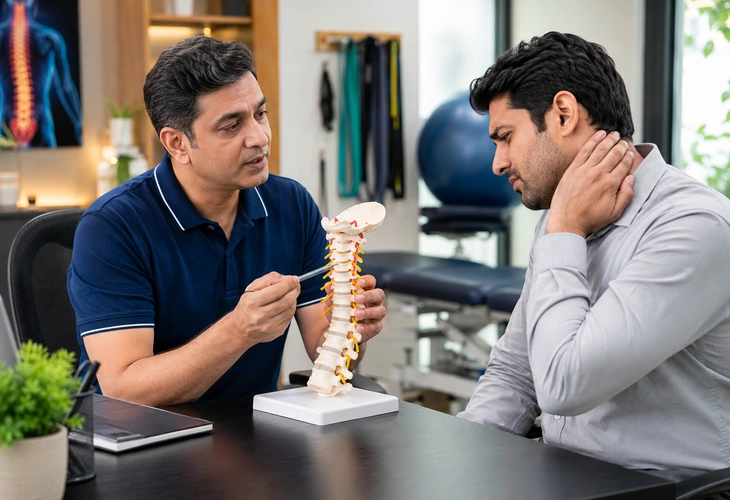
Symptoms vary significantly between individuals. Some experience occasional stiffness while others notice persistent movement restrictions that affect work, exercise, driving, sleep quality, and daily comfort.
Difficulty turning the head comfortably during driving, working, reading, or everyday activities.
Limited range of motion that may affect functional movement and physical activity.
Extended desk work, screen exposure, and prolonged sitting may increase neck strain.
Cervical spine dysfunction may contribute to tension around the shoulders and upper back.
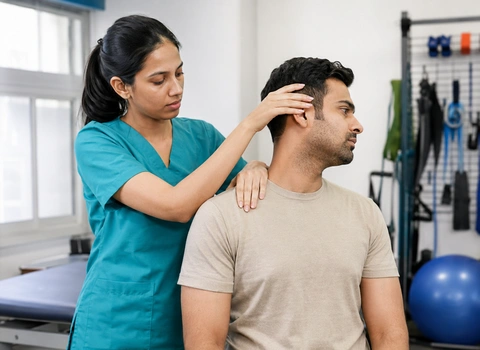
Cervical spondylosis refers to age-related changes that develop within the structures of the cervical spine. The cervical region consists of vertebrae, joints, discs, muscles, ligaments, and supporting tissues that work together to provide stability and movement. Over time, natural wear and tear may influence how these structures function, sometimes contributing to stiffness, reduced flexibility, discomfort, and movement limitations.
Although cervical spondylosis becomes more common with age, symptoms are not determined solely by age-related changes. Lifestyle habits, posture, work demands, physical activity levels, muscular conditioning, movement quality, and previous injuries may all influence how symptoms develop and how they affect everyday life.
Many individuals are surprised to learn that imaging findings do not always correlate directly with symptom severity. Some people experience noticeable symptoms despite relatively mild structural changes, while others remain highly functional even when imaging reveals more significant degeneration. This is one reason why physiotherapy assessments focus on movement quality, functional limitations, and rehabilitation goals rather than relying exclusively on imaging results.
Understanding how cervical spine mechanics interact with muscles, posture, daily activities, and movement habits helps create more effective rehabilitation strategies that support both short-term symptom management and long-term physical function.
Several physical and lifestyle factors can contribute to increased stress on the cervical spine and surrounding tissues.
Extended computer work, laptop use, and smartphone viewing often encourage forward head posture that places additional strain on cervical structures.
Limited neck movement over time may contribute to stiffness, muscular tightness, and reduced functional range of motion.
Weakness in supporting neck, shoulder, and upper back muscles can influence spinal mechanics and posture control.
Certain work activities and repetitive movement patterns may increase mechanical stress on the cervical spine.
Earlier injuries may influence movement patterns and contribute to ongoing mechanical sensitivity.
Long periods of sitting and poor ergonomic habits can gradually affect movement efficiency and neck comfort.
Physiotherapy for cervical spondylosis focuses on improving movement quality, reducing mechanical stress on the cervical spine, restoring flexibility, and helping individuals perform daily activities more comfortably. Rather than concentrating only on symptom relief, rehabilitation aims to identify the physical factors contributing to ongoing discomfort and movement restrictions.
Treatment programs are typically tailored according to mobility limitations, posture, activity demands, work requirements, physical condition, and individual recovery goals. Every person experiences cervical spondylosis differently, which is why rehabilitation strategies should be adapted to individual needs rather than relying on a one-size-fits-all approach.
Structured rehabilitation often combines mobility restoration, posture education, movement retraining, flexibility improvement, strengthening exercises, and functional activity progression. The objective is to help the cervical spine move more efficiently while improving confidence during daily movement.
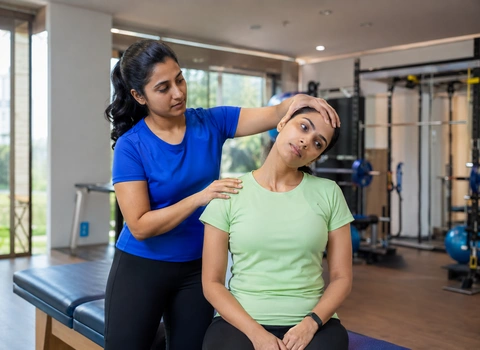
Evaluation of mobility restrictions, posture patterns, movement habits, flexibility limitations, and functional challenges affecting the cervical spine.
Progressive mobility exercises may help improve neck movement and reduce stiffness associated with reduced flexibility.
Improving awareness of sitting, standing, workstation setup, and daily positioning habits can reduce unnecessary mechanical strain.
Targeted strengthening programs support cervical stability while improving muscular endurance and movement control.
Addressing muscular tightness around the neck, shoulders, and upper back may help improve overall movement quality.
Rehabilitation strategies are often linked to real-life activities such as driving, desk work, exercise, lifting, and daily movement demands.
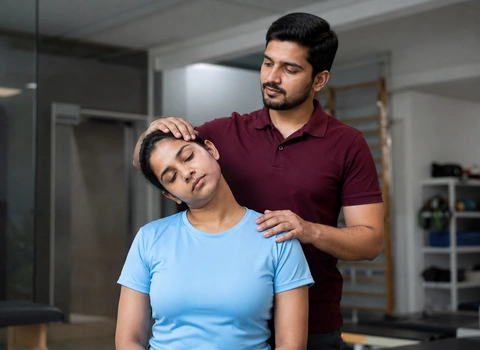
Physiotherapy programs are designed around functional improvement rather than promising specific outcomes. Depending on individual circumstances, rehabilitation may help support several important recovery goals.
Supporting smoother and more comfortable movement during everyday activities.
Reducing excessive strain associated with prolonged sitting and screen-based work.
Helping individuals participate more comfortably in work, exercise, and routine tasks.
Encouraging safe and gradual return to normal activities without unnecessary avoidance.
Small lifestyle adjustments often play an important role alongside physiotherapy and rehabilitation programs.
Monitor height, chair support, and desk positioning can influence posture and neck loading throughout the day.
Frequent movement may help reduce stiffness associated with prolonged sitting or repetitive activities.
Consistent movement and exercise often support mobility, circulation, and overall musculoskeletal health.
Everyday positioning habits can influence long-term comfort and movement efficiency.
Understanding the condition and available rehabilitation options can help individuals make informed decisions about recovery and long-term neck health.
Cervical spondylosis refers to age-related changes that affect the cervical spine. These changes may involve discs, joints, ligaments, and surrounding structures, sometimes contributing to stiffness, reduced mobility, and neck discomfort.
Physiotherapy often focuses on improving mobility, posture, flexibility, movement quality, and physical function. Rehabilitation programs are usually tailored according to individual needs and activity goals.
Some individuals with cervical spine dysfunction may experience headaches associated with neck tension, stiffness, or movement-related factors. A professional assessment can help identify contributing causes.
No. Cervical spondylosis refers to degenerative changes affecting the cervical spine, whereas disc-related conditions involve structural changes within spinal discs. However, both conditions can sometimes exist together.
Exercise recommendations vary according to individual symptoms, mobility restrictions, and rehabilitation goals. Physiotherapists often prescribe mobility, flexibility, strengthening, and posture-focused exercises based on assessment findings.
Some individuals experience symptoms extending into the shoulders or upper back because cervical spine mechanics and surrounding muscles work closely together during movement.
Persistent neck stiffness, recurring discomfort, movement restrictions, activity limitations, or symptoms affecting daily life are common reasons individuals seek professional assessment and rehabilitation support.
Whether you are experiencing ongoing neck stiffness, posture-related discomfort, reduced mobility, or functional limitations, a structured physiotherapy assessment can help identify the factors influencing your symptoms and guide an appropriate rehabilitation plan.