
Knee Pain During Walking
Many individuals notice discomfort during longer periods of walking or weight bearing activities.
Knee osteoarthritis is one of the most common joint conditions affecting adults as they age. Although symptoms often begin gradually, ongoing discomfort can eventually influence walking, stair climbing, exercise participation, daily routines, and overall quality of life. Many individuals first notice occasional stiffness or discomfort after activity, while others experience progressive limitations that make movement increasingly challenging.
Modern knee osteoarthritis treatment focuses on improving movement quality, supporting joint function, enhancing muscular strength, and helping individuals maintain independence. Physiotherapy based rehabilitation plays an important role in managing symptoms, improving mobility, and supporting long term joint health through structured, evidence informed treatment strategies.
While osteoarthritis is associated with changes inside the knee joint, effective management involves much more than addressing the joint itself. Muscle strength, flexibility, balance, walking mechanics, physical activity levels, and movement habits all influence how the knee functions during everyday activities. Comprehensive rehabilitation programs aim to address these factors together to support better outcomes.
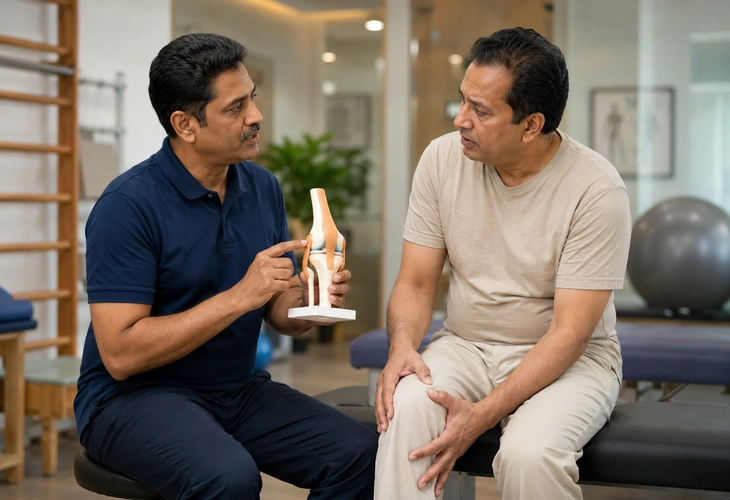
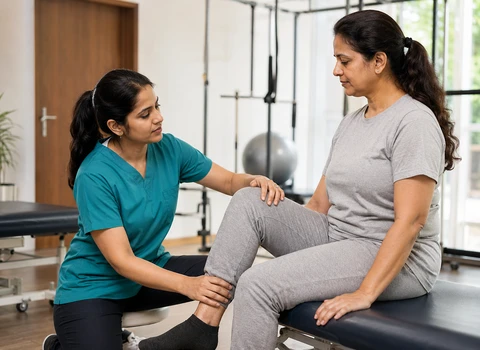
Knee osteoarthritis is a degenerative joint condition that develops when changes occur within the structures that support normal knee movement. These changes may affect cartilage, surrounding tissues, joint mechanics, and overall function. As the condition progresses, individuals may experience varying levels of discomfort, stiffness, reduced mobility, and difficulty performing activities that place demands on the knee joint.
The condition develops differently from person to person. Some individuals experience mild symptoms that remain stable for years, while others notice a gradual increase in discomfort and movement limitations. Factors such as age, previous injuries, body weight, physical activity patterns, occupational demands, muscle strength, and movement mechanics can all influence how symptoms develop over time.
Contrary to common misconceptions, a diagnosis of osteoarthritis does not automatically mean surgery is necessary. Many individuals successfully manage symptoms through physiotherapy, exercise based rehabilitation, strength development, mobility training, activity modification, and long term joint management strategies designed to support everyday function.
Early assessment often helps individuals understand the factors contributing to symptoms and allows treatment plans to focus on maintaining mobility before more significant movement limitations develop.
Symptoms vary depending on joint changes, activity levels, physical condition, lifestyle demands, and the stage of the condition.
Many individuals notice discomfort during longer periods of walking or weight bearing activities.
Stiffness after waking or following prolonged periods of rest is commonly reported.
Stair climbing often places additional demands on the knee and may highlight functional limitations.
The ability to bend or straighten the knee comfortably may gradually become more limited.
Certain movements or activities may create localized sensitivity around the knee joint.
Symptoms may become more noticeable after physically demanding tasks or prolonged standing.
Knee osteoarthritis is rarely caused by a single factor. Instead, it typically develops through a combination of influences that gradually affect joint health and movement quality. Understanding these factors helps create more effective rehabilitation strategies and supports long term symptom management.
Age related joint changes are commonly associated with osteoarthritis, but lifestyle factors often contribute as well. Previous knee injuries, repetitive occupational demands, reduced physical activity, muscular weakness, altered walking patterns, balance deficits, and long standing movement dysfunction can all influence knee joint loading over time.
Muscle strength is particularly important. Weakness in the muscles surrounding the knee and hip may increase stress on joint structures during everyday activities. Rehabilitation programs often focus on improving strength because stronger supporting muscles help distribute forces more efficiently and improve movement control.
Physical activity habits also influence long term joint health. While excessive loading may aggravate symptoms for some individuals, avoiding movement completely can contribute to muscular deconditioning, reduced flexibility, and further functional decline. A balanced rehabilitation approach focuses on finding appropriate activity levels that support both mobility and joint function.
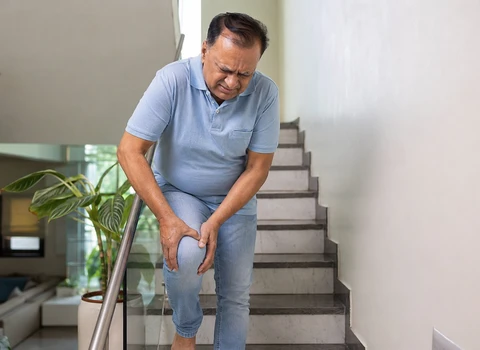
Physiotherapy for knee osteoarthritis focuses on improving function, enhancing mobility, increasing strength, and helping individuals participate more comfortably in everyday activities.
Treatment typically begins with a detailed evaluation of walking patterns, joint mobility, flexibility, muscle performance, balance, and activity related limitations.
Strengthening exercises help support the muscles surrounding the knee and hip, improving stability and reducing unnecessary stress during movement.
Mobility focused interventions help maintain or improve joint movement, making everyday activities more comfortable and efficient.
Rehabilitation often includes exercises that replicate real life movements such as standing, walking, stair climbing, and balance related activities.
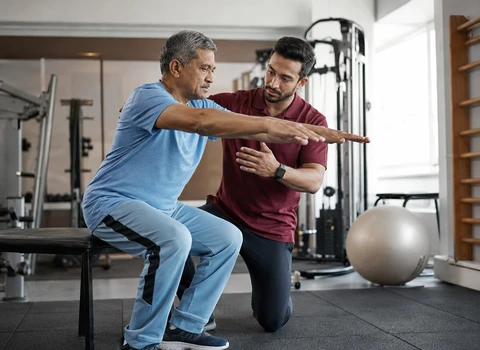
Many individuals search for non surgical treatment for knee osteoarthritis because they want to remain active, maintain independence, and manage symptoms without invasive procedures. Physiotherapy is often a central part of conservative care because it addresses movement limitations, strength deficits, flexibility concerns, and functional challenges that influence daily life.
Rehabilitation plans are tailored according to symptoms, physical abilities, activity demands, and long term goals. Rather than applying a single treatment approach to every individual, physiotherapists adjust strategies based on assessment findings and ongoing progress.
Exercise therapy remains one of the most widely recommended management strategies for knee osteoarthritis. Structured exercise programs may focus on strengthening, flexibility, endurance, balance, and functional movement training. These elements work together to support joint performance and improve overall mobility.
Education is another important component. Understanding how activity levels, movement habits, body mechanics, and lifestyle choices influence symptoms allows individuals to make informed decisions that support long term joint health.
Better movement efficiency may help individuals perform daily walking activities more comfortably.
Mobility focused exercises can support more comfortable knee movement throughout the day.
Stronger surrounding muscles contribute to improved joint stability and movement control.
Improved physical function often encourages individuals to remain active and engaged in daily life.
Effective knee osteoarthritis management extends beyond scheduled physiotherapy sessions. Daily habits often play an important role in supporting mobility, maintaining strength, and improving long term physical function.
Consistent movement is generally encouraged because prolonged inactivity may contribute to stiffness and muscular deconditioning. Gentle walking programs, structured exercise routines, flexibility activities, and physiotherapist guided strengthening exercises often form part of comprehensive management plans.
Maintaining healthy movement habits throughout daily activities can also be beneficial. Paying attention to posture, stair climbing techniques, activity pacing, and overall physical activity levels may help support comfortable movement patterns.
Individuals experiencing persistent knee pain frequently reduce activity out of concern that movement will worsen symptoms. While activity modification is sometimes necessary, complete avoidance of movement may create additional challenges. Physiotherapy helps identify appropriate activity levels based on individual needs and functional goals.
Professional assessment may be beneficial when knee pain begins interfering with normal activities, mobility, exercise participation, work responsibilities, or overall quality of life. Early evaluation often helps identify contributing factors before more significant functional limitations develop.
Individuals who experience persistent stiffness, reduced walking tolerance, difficulty climbing stairs, ongoing discomfort during activity, or concerns about declining mobility may benefit from personalized rehabilitation guidance.
Physiotherapy assessments help identify strength deficits, movement restrictions, flexibility limitations, balance concerns, and functional challenges that influence everyday performance. These findings support the development of individualized treatment plans designed around specific goals and priorities.
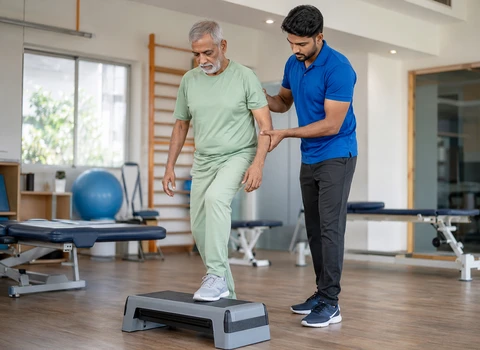
Knee osteoarthritis does not affect everyone in the same way. A personalized rehabilitation approach can help identify movement limitations, improve strength, support mobility, and create practical strategies that align with your lifestyle and recovery goals.
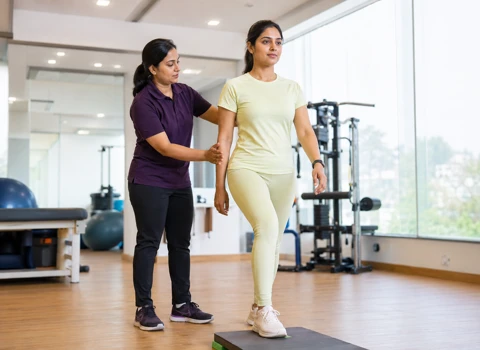
Knee osteoarthritis is a condition involving changes within the knee joint that may contribute to pain, stiffness, reduced mobility, and difficulty performing everyday activities.
Physiotherapy often focuses on improving mobility, increasing strength, supporting joint function, and helping individuals remain active through structured rehabilitation programs.
No. Many individuals explore conservative treatment options such as physiotherapy, exercise based rehabilitation, lifestyle modifications, and movement training before considering surgical interventions.
Programs may include strengthening exercises, flexibility training, balance activities, mobility exercises, and functional movement drills based on individual assessment findings.
Walking is often included within rehabilitation programs when appropriate. Activity levels are typically adjusted according to symptoms, physical abilities, and treatment goals.
Multiple factors may contribute, including age related changes, previous injuries, reduced muscle strength, movement mechanics, activity levels, and long term joint loading patterns.
Assessment may be beneficial when symptoms begin affecting walking, stair climbing, exercise participation, work activities, mobility, or overall quality of life.