
Sports Injury Rehabilitation for Faster Recovery and Safe Return to Activity
Sports injuries can affect athletes, fitness enthusiasts, runners, gym members, recreational sports players, and active individuals of all ages. Whether the injury occurs during training, competition, exercise, or routine physical activity, proper rehabilitation plays a vital role in restoring movement, rebuilding strength, improving confidence, and supporting a safe return to performance.
Effective sports injury rehabilitation focuses on identifying movement limitations, muscular weaknesses, mobility restrictions, balance deficits, and functional challenges that may develop after injury. A structured rehabilitation program helps individuals progress through recovery while reducing the risk of recurring problems.
Modern physiotherapy-based rehabilitation emphasizes active recovery strategies that improve physical function, restore movement quality, enhance strength, and support long-term athletic performance. Every rehabilitation journey is tailored to the demands of the individual and the activities they wish to return to.
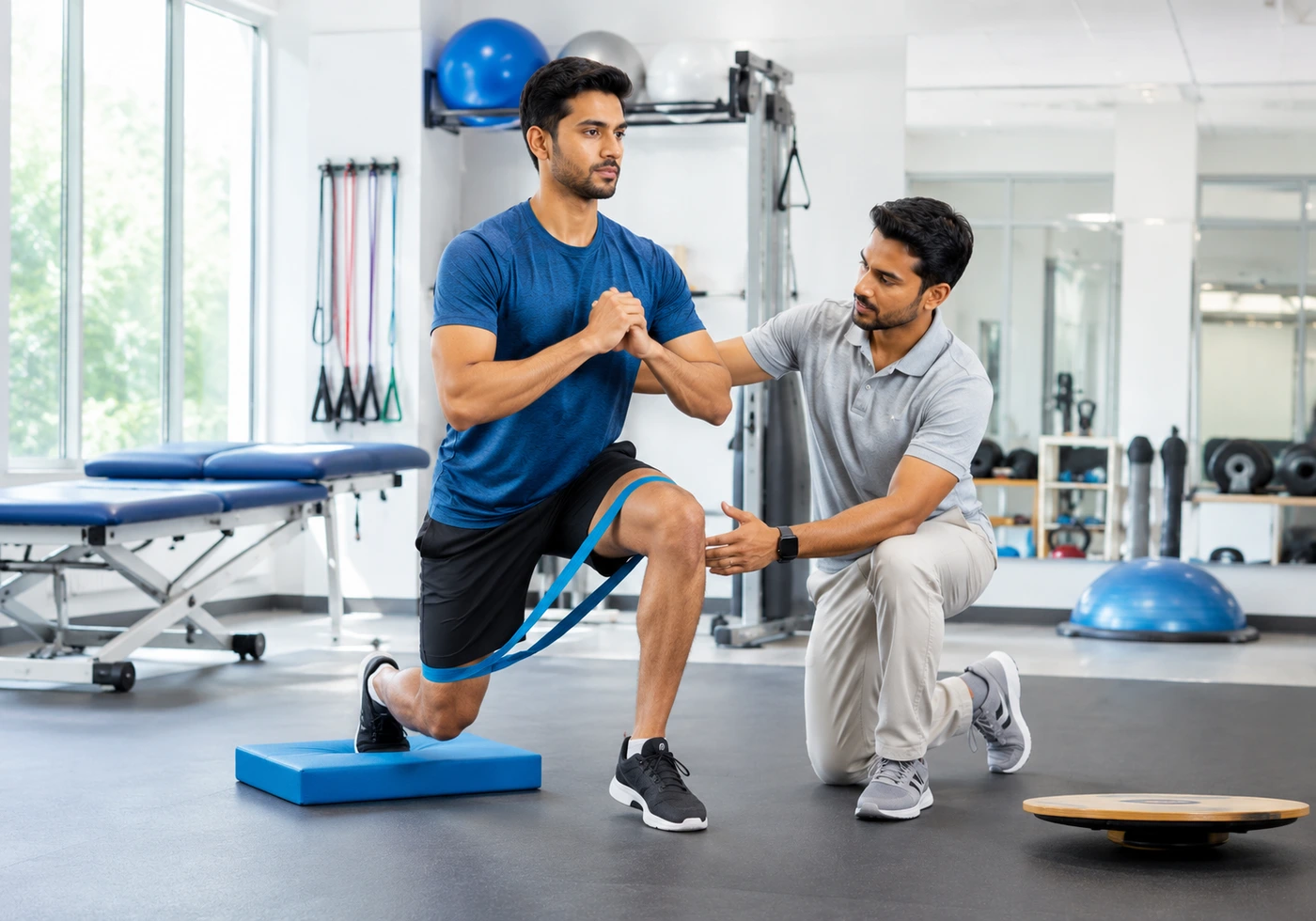
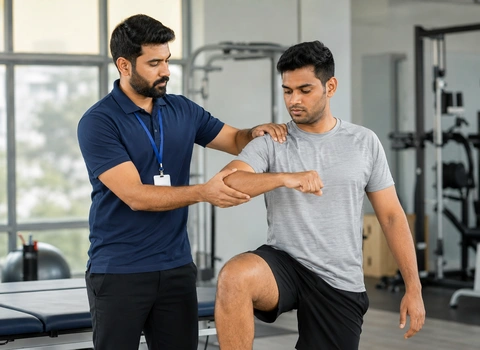
Understanding Sports Injuries and Rehabilitation
Sports injuries can occur in professional athletes, amateur competitors, recreational players, runners, gym participants, and active individuals. These injuries may affect muscles, tendons, ligaments, joints, soft tissues, and movement mechanics depending on the type of activity involved.
Rehabilitation is designed to support recovery while restoring mobility, strength, balance, coordination, flexibility, and sport-specific function. Rather than focusing only on symptom improvement, rehabilitation aims to address the factors that contributed to the injury and optimize future performance.
Every injury presents unique challenges. Factors such as activity level, fitness goals, injury history, training demands, movement quality, and physical condition influence the rehabilitation process. Personalized rehabilitation plans help ensure recovery strategies align with individual needs.
A structured rehabilitation approach often helps individuals regain confidence, improve physical function, and return to activity more safely while minimizing unnecessary setbacks during recovery.
Common Sports Injuries That Benefit From Rehabilitation
Rehabilitation programs may be recommended for a wide range of sports and exercise-related injuries.
Muscle Strains
Recovery programs focused on restoring strength, flexibility, and functional movement.
Ligament Injuries
Rehabilitation aimed at improving stability, mobility, and movement control.
Tendon Problems
Structured loading programs that support tissue recovery and performance.
Running Injuries
Movement analysis and rehabilitation strategies designed for active runners.
Sports Related Joint Pain
Programs focused on mobility, strength, and improved movement mechanics.
Exercise Related Overuse Injuries
Rehabilitation plans targeting repetitive stress and performance limitations.
Why Early Sports Injury Rehabilitation Matters
Delaying rehabilitation may allow movement limitations, muscular weakness, reduced mobility, and altered movement patterns to develop over time. These changes can affect athletic performance and increase the risk of future injury.
Early rehabilitation focuses on restoring physical function while helping individuals remain as active as possible during recovery. Structured progression allows recovery milestones to be achieved safely and efficiently.
Through targeted rehabilitation exercises, mobility training, strength development, balance work, and movement retraining, individuals can gradually rebuild confidence and return to activity with greater preparation.
A well-designed rehabilitation program supports both recovery and long-term performance goals, making it an important part of sports injury management.
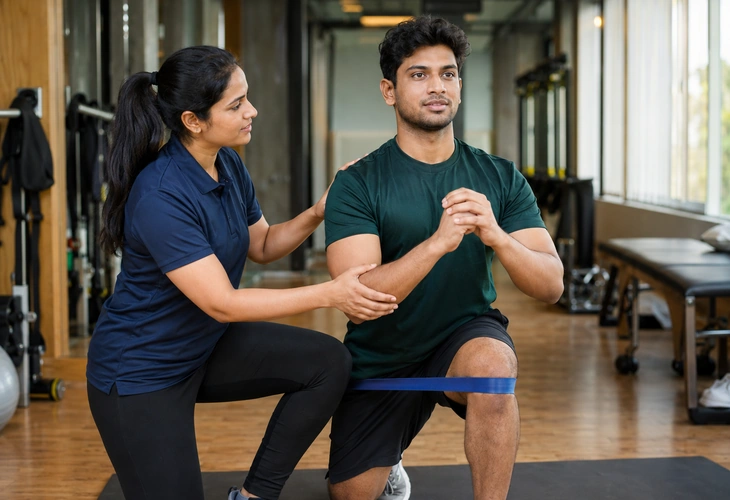
Sports Injury Rehabilitation Recovery Path
Successful rehabilitation follows a progressive recovery pathway designed to restore movement quality, rebuild strength, improve confidence, and support a safe return to physical activity.
Injury Assessment
Comprehensive evaluation of mobility, strength, balance, flexibility, movement quality, physical limitations, and activity goals.
Recovery Planning
Development of a personalized rehabilitation strategy based on physical demands, injury characteristics, and recovery objectives.
Progressive Rehabilitation
Structured mobility training, strength development, balance exercises, flexibility improvement, and functional rehabilitation.
Return To Activity
Gradual progression toward sport participation, training activities, and performance-based movement requirements.
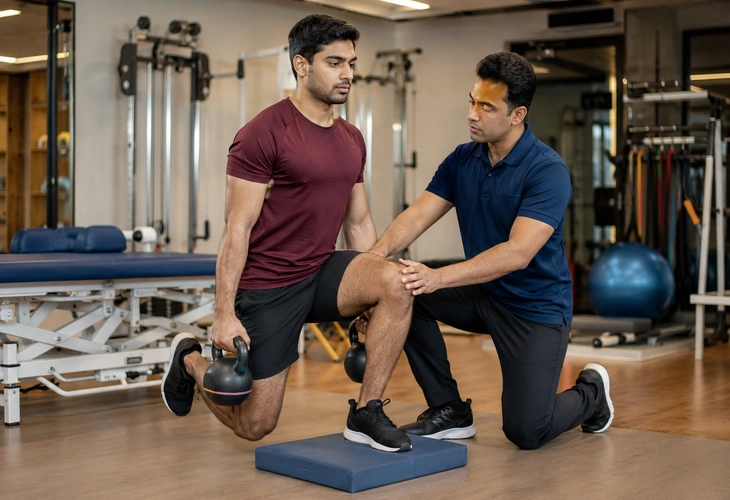
Strength Development Plays a Critical Role in Recovery
Strength deficits commonly develop after sports injuries because physical activity levels often decrease during recovery. Reduced strength may affect performance, movement efficiency, stability, and confidence when returning to activity.
Rehabilitation programs frequently include progressive strengthening exercises that target affected muscle groups while improving overall movement control. Stronger muscles help support joints, absorb physical stress, and contribute to better athletic performance.
Strength development is carefully progressed according to recovery goals, physical capacity, and sport-specific requirements. This structured approach helps individuals rebuild physical resilience while reducing unnecessary risk during rehabilitation.
Benefits of Sports Injury Rehabilitation
Core Components of Sports Rehabilitation Programs
Modern rehabilitation combines multiple treatment strategies to address physical limitations and performance goals.
Mobility Training
Exercises designed to restore joint movement, flexibility, and functional mobility.
Strength Rehabilitation
Progressive strengthening programs targeting muscular recovery and performance.
Balance Training
Activities focused on coordination, stability, and movement confidence.
Flexibility Development
Stretching and mobility exercises that improve movement quality.
Functional Rehabilitation
Recovery activities designed around daily movement and sport requirements.
Return To Sport Preparation
Progressive training that prepares individuals for physical activity demands.
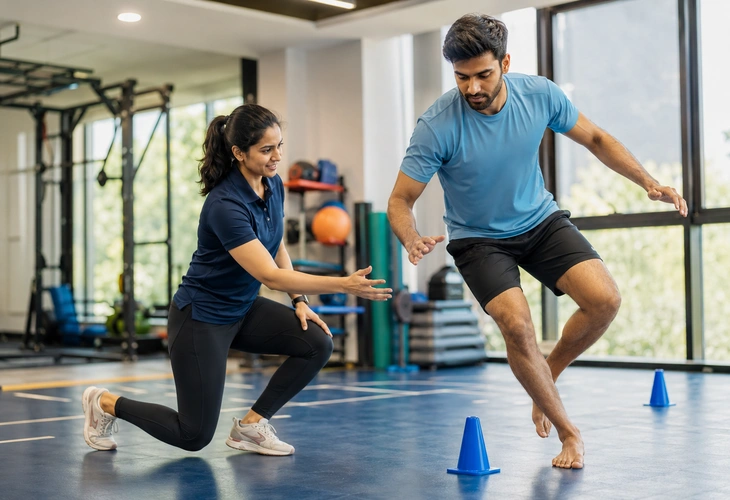
Returning to Activity Requires More Than Symptom Improvement
Feeling better does not always mean the body is fully prepared for training, competition, or demanding physical activity. Rehabilitation helps ensure that movement quality, strength, endurance, balance, and coordination have recovered sufficiently before returning to sport.
Structured return-to-activity programs allow individuals to gradually increase physical demands while monitoring progress and movement quality throughout the recovery process.
This progression helps reduce unnecessary setbacks and supports greater confidence when resuming sports participation and exercise routines.
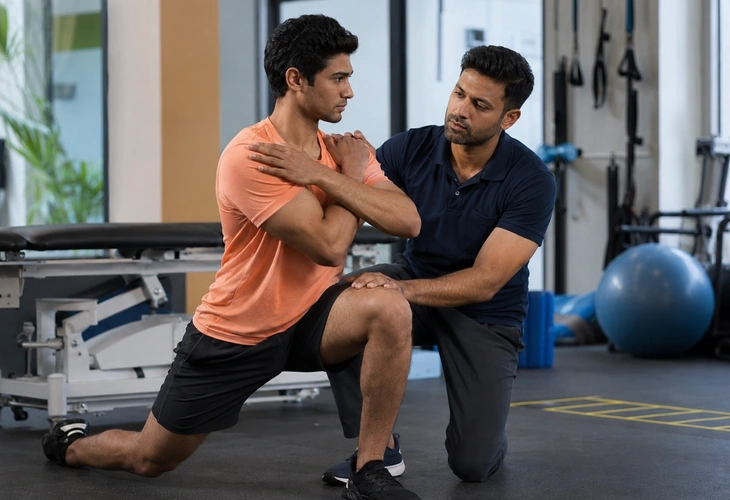
Injury Prevention Is an Essential Part of Rehabilitation
Rehabilitation should not end when symptoms improve. Long-term success depends on addressing movement patterns, strength deficits, mobility restrictions, training habits, and physical limitations that may contribute to future injuries.
Injury prevention strategies often include strength development, flexibility training, movement education, balance exercises, workload management, and sport-specific conditioning. These components help individuals maintain progress while reducing the likelihood of recurring injuries.
Consistent participation in preventive exercise programs can support long-term physical performance, movement efficiency, and overall athletic development.
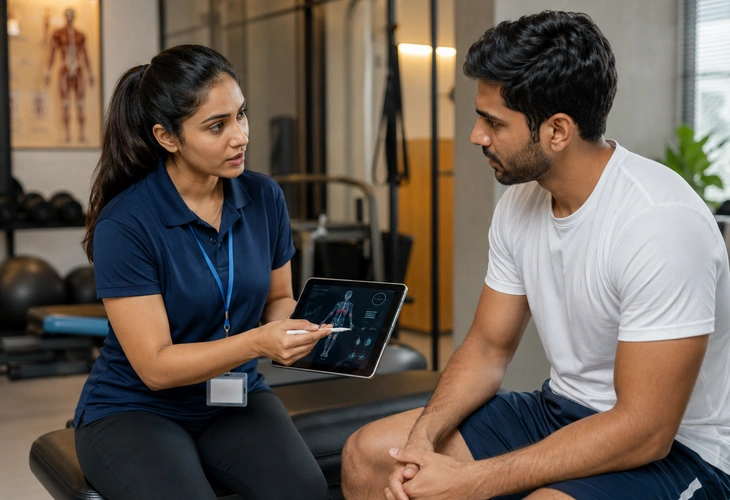
Personalized Rehabilitation Programs Support Better Outcomes
Every athlete and active individual has different recovery goals, training demands, movement patterns, and performance requirements. Rehabilitation programs should therefore be tailored to the specific needs of each individual.
Personalized rehabilitation plans allow treatment strategies to evolve according to recovery progress, physical capacity, sport demands, and functional objectives. This approach often improves both recovery quality and long-term performance outcomes.
Individualized programs also help ensure that recovery milestones are achieved safely while preparing individuals for the physical demands of their chosen activities.
Long-Term Performance and Physical Resilience
Effective rehabilitation supports more than recovery alone. It helps build stronger foundations for future performance and physical wellbeing.
Better Movement Quality
Improved movement mechanics can enhance efficiency and reduce unnecessary stress during physical activity.
Enhanced Physical Confidence
Rehabilitation helps individuals regain trust in their physical abilities during activity and exercise.
Improved Athletic Readiness
Structured progression prepares individuals for higher levels of activity and sport participation.
Reduced Future Injury Risk
Addressing physical limitations may help reduce recurrence and improve long-term durability.
Frequently Asked Questions About Sports Injury Rehabilitation
What is sports injury rehabilitation?
Sports injury rehabilitation is a structured recovery process designed to restore movement, strength, mobility, balance, and functional performance after injury.
How long does sports rehabilitation take?
Recovery timelines vary depending on injury severity, physical condition, rehabilitation goals, and individual progress.
Can physiotherapy help sports injuries?
Physiotherapy is commonly used to improve recovery, restore function, and support safe return to physical activity.
When can someone return to sports after injury?
Return-to-sport decisions are based on recovery progress, physical readiness, movement quality, and rehabilitation milestones.
Why is strength training important after injury?
Strength development helps restore physical capacity, improve stability, and support movement performance.
Can rehabilitation help prevent future injuries?
Rehabilitation often includes injury prevention strategies designed to address physical limitations and movement deficiencies.
Build Strength, Restore Movement and Return to Activity With Confidence
Structured sports injury rehabilitation combines physiotherapy, strength development, mobility training, movement correction, balance exercises, and performance-focused recovery strategies designed to support long-term physical success.
Supporting Safe Recovery Through Professional Sports Rehabilitation
Sports injury rehabilitation focuses on restoring mobility, rebuilding strength, improving movement quality, enhancing performance readiness, and supporting safe return to activity. Through structured recovery programs, individuals can progress toward their goals while reducing unnecessary setbacks and future injury risks.
Personalized rehabilitation strategies help address individual needs, activity demands, and long-term performance objectives, creating a stronger foundation for both recovery and future physical success.