
Slip Disc Treatment Focused On Pain Relief, Spine Stability And Long-Term Recovery
A slip disc can make simple daily activities unexpectedly difficult. Sitting for extended periods, standing comfortably, bending forward, lifting objects, walking long distances, or even getting out of bed may become challenging when a spinal disc problem begins affecting surrounding nerves and tissues. For many individuals, the discomfort extends beyond the lower back and may travel into the hips, buttocks, legs, or feet depending on the location and severity of the condition.
Modern physiotherapy for slip disc focuses on more than temporary symptom management. The goal is to improve movement quality, reduce unnecessary pressure on spinal structures, restore mobility, strengthen supportive muscles, and help patients regain confidence in daily movement. Through structured rehabilitation, many individuals can work toward meaningful recovery without relying solely on passive treatment approaches.
Whether the condition is described as a slipped disc, disc bulge, herniated disc, prolapsed disc, lumbar disc problem, or disc-related lower back pain, effective rehabilitation begins with understanding how the condition affects movement, posture, physical function, and quality of life.
Understanding What A Slip Disc Actually Means
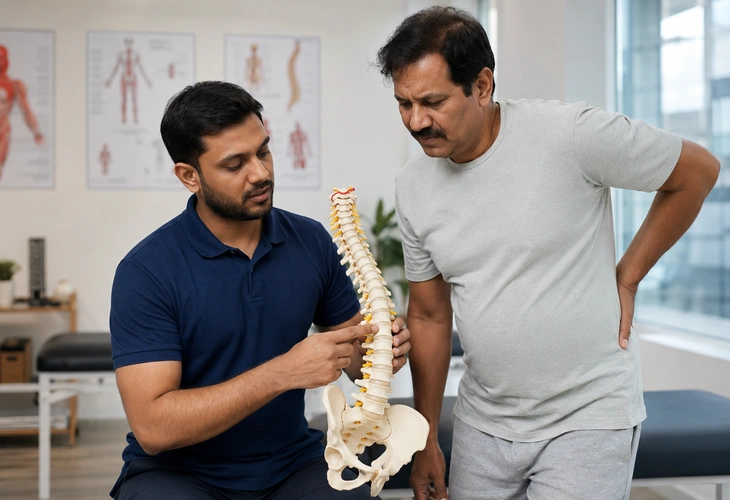
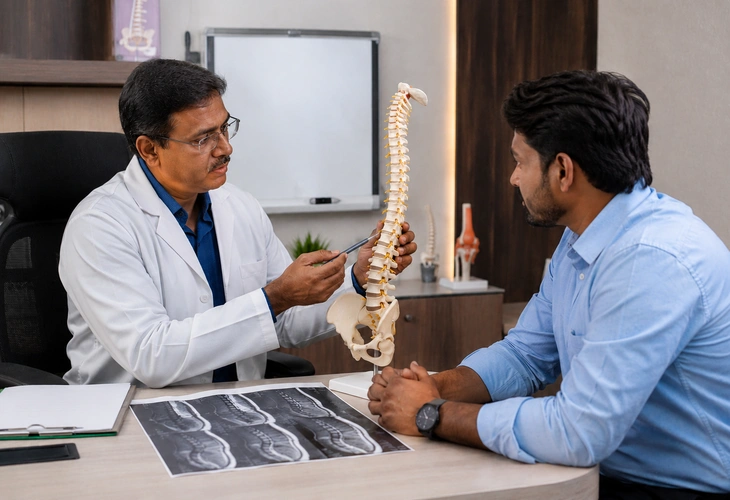
The spine is made up of vertebrae separated by discs that act as cushions and shock absorbers during movement. These discs help the spine remain flexible while protecting surrounding structures from excessive stress. When part of a disc begins to protrude or place pressure on nearby tissues, symptoms may develop that affect mobility, comfort, strength, and physical function.
Although the term slip disc is commonly used, spinal discs do not literally slip out of place. Instead, the condition often involves changes within the disc that may contribute to irritation of nearby structures. Depending on the location involved, symptoms can range from mild lower back discomfort to radiating leg pain, numbness, tingling sensations, stiffness, or movement restrictions.
Every individual experiences disc problems differently. Some people notice symptoms gradually over time due to repetitive stress, prolonged sitting, poor movement habits, or physical workload demands. Others may experience a sudden onset of symptoms after lifting, twisting, sports participation, or other activities that place increased stress on the spine.
Understanding the underlying factors contributing to the problem is often one of the most important steps in creating an effective rehabilitation strategy.
Common Signs Associated With A Disc Related Spine Condition
Symptoms vary from person to person depending on spinal level involvement, lifestyle demands, physical condition, and severity of the problem.
Persistent Lower Back Pain
Ongoing discomfort that may increase during prolonged sitting, bending, lifting, or physical activity.
Pain Travelling Into The Leg
Disc related irritation can sometimes contribute to symptoms extending beyond the lower back.
Reduced Spinal Mobility
Stiffness and movement limitations may affect daily activities and physical confidence.
Difficulty Sitting Comfortably
Extended periods of sitting may aggravate symptoms in some individuals.
Tingling Or Numbness
Sensory changes can occur when nearby neural structures become irritated.
Reduced Physical Confidence
Fear of movement often develops when symptoms repeatedly interfere with everyday activities.
Why Early Physiotherapy For Slip Disc Matters
Many individuals initially try to simply avoid movements that trigger discomfort. While temporary activity modification may sometimes be necessary, long periods of inactivity can contribute to stiffness, muscular weakness, reduced mobility, and declining physical confidence. Over time, these factors may create additional challenges that extend beyond the original disc problem.
Early physiotherapy intervention focuses on helping patients understand safe movement strategies while gradually restoring mobility and function. Treatment plans are developed according to symptoms, physical limitations, recovery goals, and individual activity requirements rather than relying on a one-size-fits-all approach.
Through carefully progressed rehabilitation exercises, posture education, movement retraining, flexibility work, and strengthening programs, patients can begin addressing the factors contributing to ongoing limitations. The emphasis remains on helping individuals move more confidently while improving spinal support and physical resilience.
Timely rehabilitation often provides a clearer pathway toward recovery by helping patients remain active and engaged in the rehabilitation process rather than becoming increasingly limited by fear of movement.
How A Structured Slip Disc Rehabilitation Program Progresses
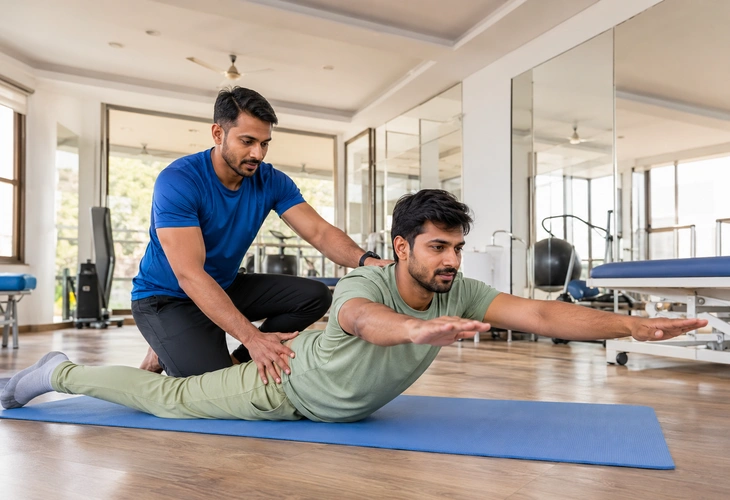
Successful recovery rarely depends on a single exercise or treatment session. Rehabilitation works best when it follows a progressive pathway designed around movement restoration, physical conditioning, and long-term spine health.
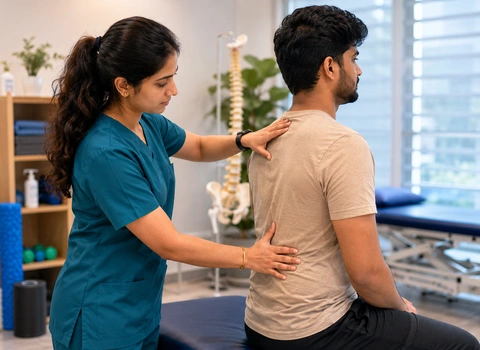
Detailed Assessment
Evaluation of symptoms, posture, movement limitations, mobility deficits, lifestyle demands, and physical function to identify contributing factors.
Pain Management Strategy
Development of a personalized rehabilitation approach focused on reducing aggravating factors and supporting comfortable movement.
Mobility Restoration
Progressive exercises aimed at improving spinal movement, flexibility, and confidence during daily activities.
Strength Development
Strengthening programs focused on improving muscular support around the spine and enhancing functional stability.
Functional Recovery
Rehabilitation designed to improve real-world movement demands including sitting, standing, walking, lifting, and work activities.
Why Core Strength Matters In Slip Disc Recovery
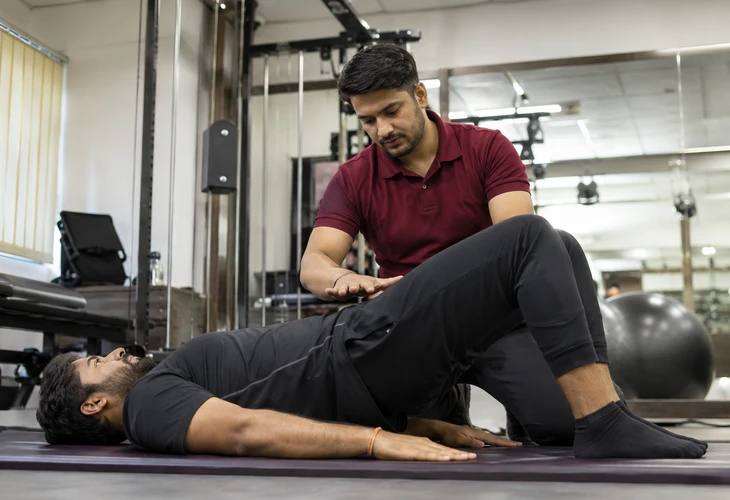
The muscles surrounding the spine play an important role in supporting movement and maintaining stability. When these muscles become weak or deconditioned, the spine may experience additional physical stress during routine activities. For this reason, strengthening programs often form a central part of physiotherapy for slip disc recovery.
Core strengthening is not simply about abdominal exercises. Rehabilitation programs often focus on coordinated activation of multiple muscle groups that contribute to spinal support, posture control, balance, and efficient movement patterns. Exercises are selected according to the patient's current abilities and recovery stage.
As strength improves, many individuals notice better movement confidence, improved endurance during daily activities, and greater ability to tolerate physical demands without excessive discomfort. Progressive strengthening also helps support long-term spine health by improving the body's ability to manage physical loads more effectively.
Rehabilitation focuses on gradual progression rather than aggressive training, ensuring exercises remain appropriate to the patient's condition and recovery objectives.
Benefits Of Professional Slip Disc Physiotherapy
Daily Habits Can Influence Disc Related Back Pain
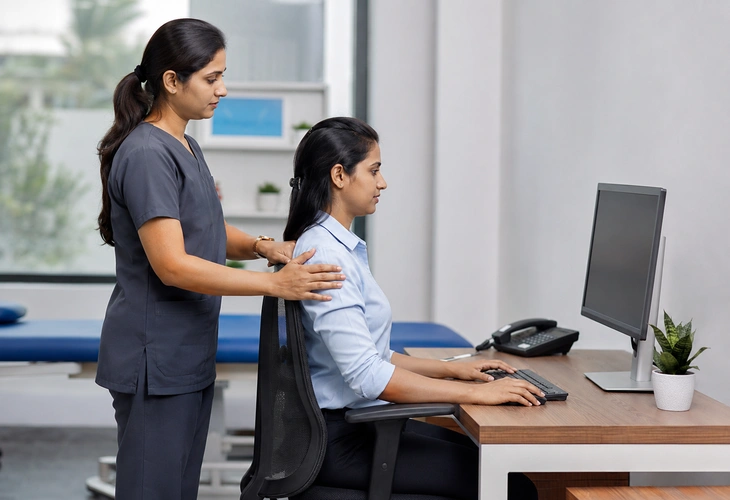
Recovery is not determined only by what happens during treatment sessions. Everyday habits often play a significant role in how the spine responds to physical demands. Prolonged sitting, repetitive bending, poor workstation setup, limited physical activity, and inefficient lifting techniques may all contribute to ongoing spinal stress.
Modern physiotherapy includes education that helps patients understand how movement habits affect recovery. Small adjustments to posture, sitting positions, workplace ergonomics, and activity patterns can sometimes make meaningful differences over time.
Rather than encouraging complete avoidance of activity, rehabilitation aims to identify practical ways for individuals to remain active while respecting their recovery needs. This balanced approach often supports better long-term outcomes than excessive rest or unnecessary movement avoidance.
Building healthy movement habits alongside structured rehabilitation helps create a stronger foundation for long-term spine function and physical confidence.
Individuals Who Often Seek Physiotherapy For Disc Problems
Disc related conditions affect people from a wide range of backgrounds, occupations, and activity levels.
Preventing Future Flare Ups Requires More Than Temporary Symptom Relief
Many individuals focus exclusively on reducing pain when dealing with a disc problem. While symptom improvement is important, long-term success often depends on addressing the factors that contributed to the condition in the first place. Movement habits, spinal loading patterns, muscular conditioning, flexibility limitations, workplace demands, and physical activity levels can all influence future outcomes.
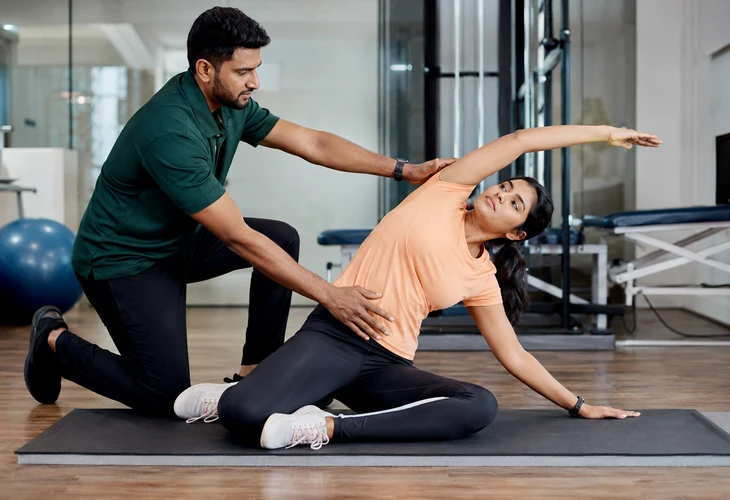
Physiotherapy rehabilitation frequently includes education and exercise strategies designed to support long-term spine health. Patients learn how to move more efficiently, manage physical demands, improve body mechanics, and gradually build resilience through progressive strengthening and mobility work.
Consistency is often the key factor. Small improvements maintained over time can contribute to better physical function, greater confidence, and improved ability to participate in everyday activities without unnecessary restrictions.
Long-term rehabilitation focuses on helping individuals develop sustainable habits that support spinal wellbeing beyond the treatment period itself.
Non Surgical Slip Disc Treatment Through Physiotherapy And Rehabilitation
Many people searching for slipped disc treatment are interested in understanding non-surgical management options. Physiotherapy is commonly included as part of conservative rehabilitation programs because it focuses on restoring movement, improving strength, increasing mobility, and helping patients return to daily activities safely.
Rehabilitation plans are personalized according to symptoms, physical limitations, lifestyle demands, and recovery goals. Rather than applying identical treatment strategies to every patient, physiotherapy programs evolve according to individual progress and changing rehabilitation needs.
Treatment may include movement retraining, flexibility exercises, posture education, core strengthening, mobility restoration, functional rehabilitation, and gradual activity progression. These components work together to support overall recovery while helping patients develop greater confidence in movement.
A structured rehabilitation approach often provides patients with a clearer pathway toward recovery and long-term physical wellbeing.
Frequently Asked Questions About Slip Disc Treatment
What is a slip disc?
A slip disc is a commonly used term for a spinal disc problem where changes within the disc may contribute to pain, stiffness, mobility limitations, or nerve related symptoms.
Can physiotherapy help a slipped disc?
Physiotherapy is commonly used to improve mobility, strengthen supporting muscles, restore function, and support rehabilitation for individuals experiencing disc related spinal conditions.
How long does slip disc recovery take?
Recovery timelines vary depending on symptom severity, physical condition, lifestyle demands, rehabilitation consistency, and individual healing responses.
Is surgery always required for a slip disc?
Not every individual with a disc problem requires surgery. Many people participate in conservative rehabilitation programs that include physiotherapy and movement-based recovery strategies.
Can a slip disc cause leg pain?
Depending on the location of the disc problem, symptoms may sometimes extend into the buttock, thigh, calf, or foot.
What exercises are useful for slip disc rehabilitation?
Exercise selection depends on individual assessment findings, physical condition, symptoms, and rehabilitation goals. Programs are usually personalized rather than standardized.
Can sitting worsen slip disc symptoms?
Some individuals find prolonged sitting aggravates symptoms. Movement habits, posture, and sitting duration can influence how the spine responds throughout the day.
Is physiotherapy beneficial after symptom improvement?
Rehabilitation often continues beyond initial symptom improvement to address strength, mobility, movement quality, and long-term spinal support.
Take The Next Step Toward Better Spine Health And Confident Movement
Professional slip disc physiotherapy focuses on mobility restoration, spine strengthening, movement improvement, rehabilitation planning, and long-term physical wellbeing. Personalized treatment strategies help patients work toward recovery while building stronger foundations for future spinal health.
Supporting Recovery Through Evidence Based Slip Disc Rehabilitation
Slip disc treatment is most effective when it addresses movement quality, physical conditioning, mobility limitations, lifestyle factors, and long-term spinal function rather than focusing only on symptoms. Through structured physiotherapy programs, patients can improve physical confidence, restore movement, strengthen supportive muscles, and work toward meaningful recovery goals.
Personalized rehabilitation strategies provide a practical pathway toward improved mobility, healthier movement patterns, and better participation in daily life while supporting long-term spine health and physical resilience.